


Celebrating Matariki In Early Childhood Education: Why It Matters For Tamariki
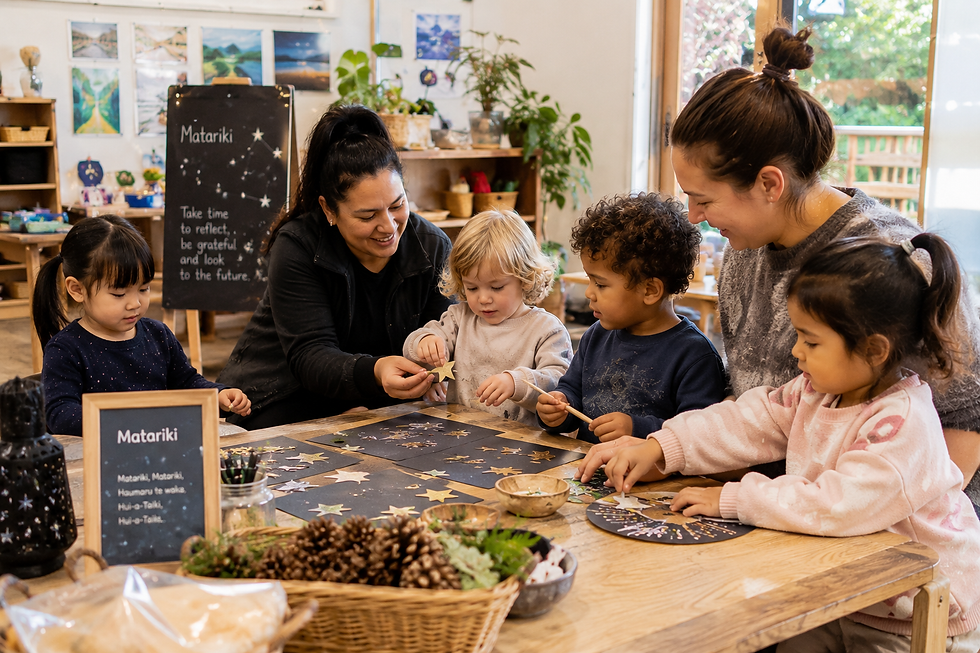
Each year, as the days grow shorter and the stars of Matariki rise in the winter sky, communities across Aotearoa come together to reflect, reconnect and celebrate. For tamariki, Matariki offers a beautiful opportunity to learn about culture, identity, nature, whānau and the rhythms of the world around them.
At Three Trees Learning Centre, we believe children learn best through meaningful experiences, connection and exploration. Our philosophy of child-centred learning through play and connection with nature creates many opportunities for tamariki to engage with the values and traditions of Matariki in authentic and age-appropriate ways.
What Is Matariki?
Matariki is the Māori New Year, marked by the reappearance of the Matariki star cluster in the winter sky. Traditionally, this was a time to gather together, remember loved ones, celebrate the harvest, share kai and prepare for the coming year.
Today, Matariki continues to be a special time of reflection, renewal and connection for people throughout Aotearoa. It encourages us to slow down, spend time with those we care about and appreciate the natural world around us.
For young tamariki, these themes are deeply meaningful and easy to connect with through storytelling, creativity, nature play and shared experiences.
Helping Tamariki Build Cultural Understanding
Introducing children to Matariki from an early age helps foster respect, understanding and appreciation for the bicultural foundations of Aotearoa.
In early childhood education, learning about te ao Māori is not simply about celebrating one event on the calendar. It’s about creating environments where tamariki feel connected to the stories, language, traditions and values that shape our country and communities.
At Three Trees, we place strong importance on culturally responsive relationships and creating a sense of belonging for all tamariki and whānau.
Through Matariki celebrations, children can:
· Hear and use te reo Māori naturally
· Learn waiata and stories connected to the stars and seasons
· Explore Māori traditions and values
· Develop empathy, curiosity and cultural awareness
· Feel pride in the diverse cultures of Aotearoa
These early experiences help build foundations for lifelong learning and respect for others.
Learning Through Nature And Seasonal Change
One of the beautiful aspects of Matariki is its strong connection to the environment and natural cycles.
At Three Trees Learning Centre, nature plays an important role in our learning philosophy. Our tamariki are encouraged to explore, discover and connect with the outdoors through meaningful hands-on experiences.
Matariki naturally supports this style of learning by encouraging children to:
· Observe seasonal changes
· Learn about stars and the night sky
· Garden and plant for the future
· Care for the environment as kaitiaki
· Spend time outdoors exploring and wondering
These experiences nurture curiosity, creativity and a deeper understanding of the world around them.
Reflection, Gratitude And Connection
Matariki also provides an opportunity for children to reflect and express gratitude, even in simple, age-appropriate ways.
For tamariki, this may look like:
· Sharing stories about special people in their lives
· Talking about happy memories
· Expressing what they are thankful for
· Celebrating friendships and acts of kindness
· Setting simple hopes or goals for the coming months
These conversations help support emotional wellbeing, communication skills and a sense of connection to others.
In busy modern life, moments of reflection and togetherness are incredibly valuable for both children and adults alike.
Creating Meaningful Matariki Experiences In ECE
In early childhood settings, Matariki celebrations do not need to be elaborate to be meaningful. Often, it’s the simple shared experiences that children remember most.
Some of the ways we celebrate Matariki include:
Storytelling and pūrākau
Nature-based art and loose parts play
Shared kai experiences
Stargazing activities
Waiata and music
Planting and sustainability projects
Creating lanterns or star displays
Spending time together as a learning community
At Three Trees, we value learning experiences that are child-led, sensory-rich and grounded in connection with nature and community.
Matariki And The Importance Of Belonging
One of the most powerful aspects of Matariki is the sense of togetherness it creates. In early childhood education, belonging is essential. When tamariki feel safe, respected and connected, they are more confident to explore, learn and grow.
Celebrating events like Matariki helps strengthen those connections between tamariki, kaiako, whānau and the wider community. It reminds children that they are part of something bigger: connected to each other, to the land, to traditions and to the future.
Celebrating The Future Together
Matariki is ultimately a celebration of hope, renewal and new beginnings. For tamariki, it is a chance to dream, wonder, create and connect. It encourages children to appreciate the beauty of the world around them while developing a strong sense of identity, belonging and care for others.
At Three Trees Learning Centre, we are proud to support tamariki through meaningful learning experiences that nurture curiosity, cultural understanding and connection with nature.
As the Matariki stars rise once again, we look forward to celebrating reflection, learning and new beginnings together as a community.